Using Thumb Brace
Top Orthopaedic Supplies for Thumb Injury: Everything You Need for Recovery
Injuries to the thumb can significantly affect everyday tasks and general quality of life. Knowing the key orthopedic supplies is crucial for successful recovery. Important supplies, like splints and medical tapes, are integral to a successful recovery. Furthermore, therapeutic instruments and pain management techniques are important elements of a comprehensive treatment plan. Nevertheless, understanding when to consult a medical professional and how to avoid future injuries is just as important. What lies ahead in the recovery journey might be unexpected.
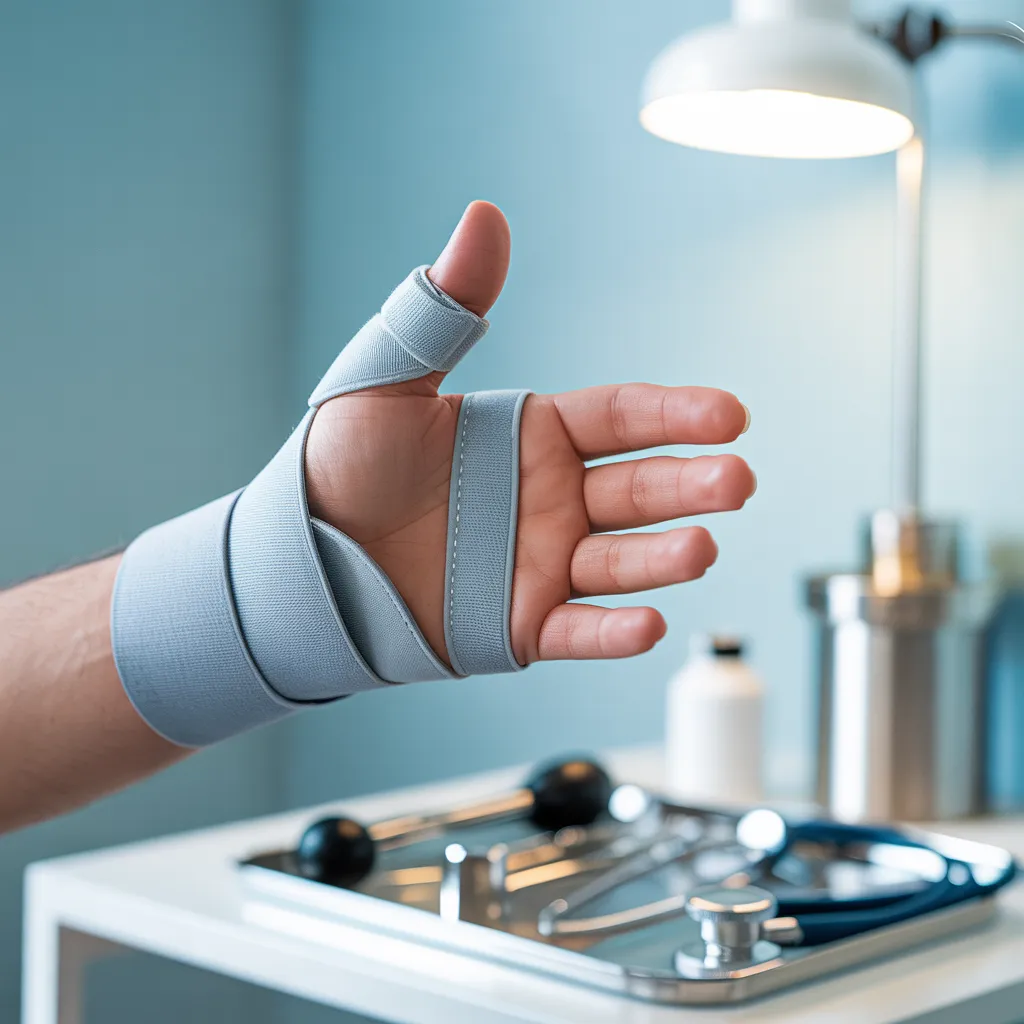
Vital Braces for Thumb-Related Injury Recovery
Essential splints play an important role in the recovery process for thumb injuries, offering stability and reinforcement. Such devices stabilize the thumb, preventing further strain and enabling optimal recovery. A range of splints can be found, including rigid and soft options, each designed to meet specific injury needs. Rigid splints offer maximum support, ideal for breaks or serious sprains, while soft splints provide flexibility and comfort for mild injuries.
Appropriate fitting is vital; a badly fitted splint could delay healing or create unnecessary discomfort. It is commonly recommended that patients wear splints during tasks that could stress the thumb, guaranteeing safety during routine tasks. Moreover, many splints feature breathable components, increasing their suitability for long-term wear. Overall, essential splints are indispensable tools in the rehabilitation of thumb injuries, assisting patients in restoring mobility and resuming daily activities more quickly.
Picking Medical Tapes That Meet Your Requirements
Selecting the right medical adhesive tape is essential for effective thumb injury management. Different kinds of medical tape, each with specific qualities, can greatly influence the healing process. Learning the correct techniques and application tips will enhance the efficiency of these products.
Varieties Of Medical Tapes
Medical tapes serve a critical function in the care and management of thumb injuries, delivering support and stability to the impacted area. Several types of medical tapes exist, each designed for specific uses. Adhesive tape is commonly used for holding dressings in place and restricting thumb movement. Kinesiology tape, celebrated for its stretchability, offers dynamic support, supporting mobility while minimizing discomfort. Cohesive bandages bond to each other rather than the skin, making them suitable for application without causing discomfort. Rigid strapping tape delivers optimal support for serious injuries, restricting unwanted movement. Every type possesses distinct characteristics, enabling individuals to select the most appropriate choice based on their individual needs and rehabilitation objectives. Picking the correct tape is crucial for optimal healing.
Application Techniques And Suggestions
Selecting the appropriate medical tape is only half the battle; proper application techniques greatly influence the efficacy of support for thumb injuries. First, make certain the skin is clean and dry to maximize adhesion. When securing tape, commence from the bottom of the thumb and wrap towards the tip, allowing for flexibility at the joints. Do not wrap too firmly to prevent circulation issues. Moreover, consider overlapping the tape slightly for improved support and stability. For added comfort, apply a hypoallergenic variety to reduce skin irritation. Lastly, periodically inspect the tape; remove and reapply if the tape loosens or if any discomfort arises. Adhering to these methods guarantees peak healing and support for thumb injuries.
Therapeutic Tools for Effective Thumb Recovery
Successful thumb rehabilitation frequently depends on the application of therapeutic resources aimed at promote healing and strength. Splints deliver vital stabilization, ensuring appropriate alignment while recovering, whereas strengthening exercise tools assist in muscle rehabilitation. In unison, these resources fulfill an essential purpose in restoring thumb function and mobility.
Splints Used for Stabilization
When the thumb sustains an injury, employing splints for stabilization proves critical for promoting effective recovery. These devices work to immobilize the affected thumb, preventing further strain and enabling the healing process to begin. They are designed to support the thumb in a proper position, minimizing discomfort and assisting in controlling inflammation. Numerous splint options exist, among them thermoplastic and soft fabric designs, each catering to specific injury types and levels of comfort. By maintaining stability, these supports work to safeguard the injured area throughout everyday tasks. Moreover, they offer convenient adjustment or removal for cleanliness, making them practical for ongoing use. Ultimately, splints play an essential role in the rehabilitation process following a thumb injury.
Exercise Strengthening Equipment
Strength-building exercise tools are vital for supporting efficient thumb healing after sustaining an injury. Such tools help rebuild strength, boost mobility, and restore proper function. Frequently used options include resistance bands, which provide adjustable tension for progressive training, along with grip strengtheners designed to target both the intrinsic and extrinsic thumb muscles. Furthermore, therapy putty is suitable for numerous exercises, encouraging flexibility and coordination. Dedicated thumb exercise tools, including thumb trainers, prove beneficial for isolating specific movements and developing dexterity. Integrating these tools into a recovery routine not only speeds up healing but also aids in preventing future injuries by keeping the thumb strong and resilient. Overall, consistent use of strengthening exercise tools is vital for a successful recovery journey.
Helpful Pain Relief Methods for Thumb Injuries
Although thumb injuries differ in their severity, using proper pain relief methods is crucial for healing. First, using ice packs can help reduce swelling and numb pain, preferably for 15-20 minutes multiple times daily. Over-the-counter non-copyrightal anti-inflammatory drugs (NSAIDs), including ibuprofen or naproxen, can also provide significant relief by addressing both pain and inflammation.
Additionally, immobilizing the thumb with a splint or brace can help avoid additional injury while supporting recovery. Raising the hand above the level of the heart may aid in decreasing swelling. For ongoing discomfort, warmth-based therapy, using warm compresses or heating pads, can see now increase blood flow and ease stiffness.
Lastly gentle movement exercises, when acute pain diminishes, may support recovery to ensure the thumb regains strength and flexibility. These strategies collectively form an effective approach to addressing pain and promoting healing when treating thumb injuries.
When Is It Time to Seek Professional Help for Thumb Injuries?
How can someone recognize the right moment to consult a specialist for a thumb injury? Knowing when to see a medical professional is crucial for successful healing. Urgent attention is needed if there is significant pain, noticeable deformity, or inability to move the thumb. Furthermore, ongoing swelling or bruising after a short period may point to a more severe condition, such as a bone fracture or torn ligament.
If symptoms include numbness or tingling, such signs could suggest an underlying nerve condition, requiring prompt evaluation. Patients should additionally consult a professional if home treatment methods, including rest and cold therapy, fail to alleviate discomfort.
In the end, a healthcare provider can offer a comprehensive assessment and suitable interventions, including imaging studies or splinting, to ensure proper healing. Early medical consultation can significantly influence the recovery process and avoid chronic issues associated with injuries to the thumb.
Strategies for Avoiding Future Thumb Injuries
Having addressed the importance of specialized care with thumb injuries, it proves crucial to concentrate on preventive measures. Individuals can substantially lower their chances of recurring injuries by applying several important techniques. To begin with, correct ergonomic practices during daily activities, such as working with tools or typing, can reduce pressure on the thumb. Using thumb braces or supportive devices during activities with elevated risk offers additional protection.
Furthermore, participating in regular hand and thumb training boosts mobility and resilience, lowering vulnerability to strains. It is recommended to rest between recurring activities, allowing the thumb to recover and regain strength.
In addition people need to pay attention to their surroundings to prevent mishaps that may lead to thumb damage. By adopting these strategies, one can efficiently safeguard against likely thumb injuries and maintain top hand function.
Common Questions and Answers
What Is the Healing Time for a Thumb Injury?
The recovery time for a thumb injury typically ranges from a few weeks to several months, depending on the severity and type of the injury. Proper care and rehabilitation can considerably affect the duration and effectiveness of recovery.
Can I Still Exercise With a Thumb Injury?
Working out despite a thumb injury is often possible, based on how severe the injury is. Adapted fitness regimens that avoid strain on the thumb can assist in keeping you fit, but consulting a healthcare professional for tailored advice is strongly advised.
What Are the Indicators of a Severe Thumb Injury?
Indicators of a significant thumb injury encompass extreme pain, swelling, discoloration, restricted thumb movement, deformity, and prolonged numbness. When these signs are present, consulting a medical professional is necessary for appropriate diagnosis and care.
Are There Home Remedies Available for Thumb Pain?
Natural treatments for thumb pain involve applying ice to reduce swelling, using elevation to minimize discomfort, and doing light stretching movements. Furthermore, herbal teas such as turmeric or ginger may provide relief because of their anti-inflammatory benefits.
How Can I Rebuild Thumb Strength Post-Recovery?
To improve thumb strength after healing, a person can incorporate resistance exercises, work with therapy putty, do targeted finger stretches, and gradually increase grip activities. Dedication and patience are key for optimal healing and strength improvement.