Ultherapy vs HIFU Malaysia for Sagging Skin
Ultherapy vs HIFU: Key Differences, Benefits, and Which Treatment Is Best for You
Within the realm of non-surgical skin tightening, Ultherapy and HIFU are distinguished by their unique methods and results. Both treatments target varying skin layers and provide distinct advantages. Recognizing these distinctions is crucial for those contemplating a treatment. What elements should determine the selection between these two procedures? The nuances in treatment methods, results, and costs may reveal more than initially apparent.
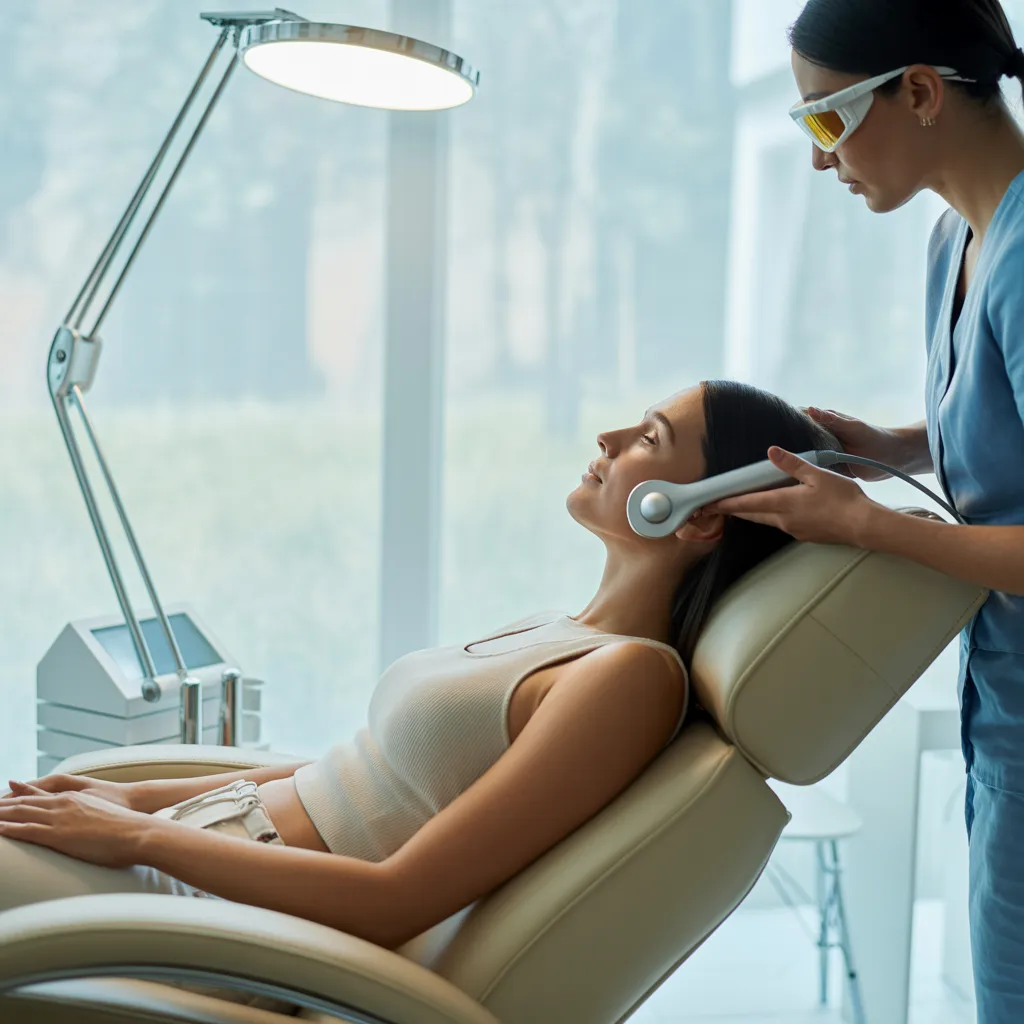
Ultherapy versus HIFU: Which Skin Tightening Treatment Is Best for You?
When evaluating skin tightening options, how do Ultherapy and HIFU compare? Both treatments utilize ultrasound technology but differ in their application and effectiveness. Ultherapy is FDA-approved and targets the deeper layers of skin to boost collagen production, resulting in a more lifted appearance. It is generally recommended for individuals looking for noticeable lifting effects, particularly on the neck, forehead, and décolletage.
In contrast, High-Intensity Focused Ultrasound technology functions in a similar way but often concentrates on surface-level skin tissue. This treatment is frequently preferred for its effectiveness in treating a broader range of skin issues, including minor wrinkles and general skin texture enhancement.
Although Ultherapy is commonly recognized as more effective for noticeable tightening, HIFU could be the preferred option for those desiring gentler results. At the end of the day, selecting between Ultherapy and HIFU should depend on one's unique skin condition, expected results, and guidance from a qualified professional.
How Does Ultherapy Function?
Ultherapy utilizes targeted ultrasound technology to reach beneath the skin's surface, reaching the deeper tissue layers responsible for collagen production. This non-surgical procedure employs real-time ultrasound imaging to examine the skin's composition, allowing for exact energy transmission to precise skin depths. By heating the tissue, Ultherapy stimulates the body's natural healing response, promoting collagen regeneration and tightening the skin over time.
Most patients report very little discomfort, as the treatment is specifically designed to direct energy to targeted areas without damaging nearby tissue. The results of Ultherapy gradually become visible, often improving over a few months as collagen production continues. Sessions generally last between 30 and 90 minutes, according to the specific treatment area.
Effects can be maintained for up to a year or beyond, making it a compelling choice for people in search of a lift without surgery. Overall, Ultherapy offers a unique approach to skin tightening by harnessing the body's natural abilities to rejuvenate and restore firmness.
What Is HIFU?
High-Intensity Focused Ultrasound (HIFU) is a cutting-edge non-invasive technology that harnesses focused ultrasound energy to facilitate tissue tightening and lifting. The treatment process involves directing ultrasound waves to specific layers of skin, stimulating collagen production for rejuvenation. HIFU is widely used across multiple areas such as the face, neck, and décolletage, addressing sagging skin and enhancing the overall appearance.
Technology Behind HIFU
HIFU, which stands for High-Intensity Focused Ultrasound, utilizes advanced ultrasound technology to identify and energize the skin's deeper layers. This minimally invasive procedure uses precisely directed sound waves to create targeted thermal energy at targeted depth levels, promoting collagen production and tissue tightening. By concentrating energy on precise points, HIFU limits impact on surrounding skin tissue, improving both safety and efficacy.
The system uses a hand-held instrument that emits ultrasound waves, permitting specialists to adjust treatment depth in accordance with each patient's unique skin needs and objectives. HIFU functions without surgical incisions, making it a preferred option for patients desiring skin revitalization without considerable downtime. This innovative approach has gained traction for its effectiveness in tightening and lifting the skin, positioning it as a viable option in aesthetic treatments.
Treatment Process Overview
As many people look for effective non-invasive skin rejuvenation solutions, the procedure of HIFU is distinguished by its simple yet powerful method. High-Intensity Focused Ultrasound (HIFU) utilizes ultrasound energy to penetrate deep into the skin, encouraging collagen synthesis without harming the outer layer. The process commonly commences with a consultation to examine individual skin conditions and set goals. A specialized gel is subsequently applied to the targeted area to ensure optimal ultrasound delivery. The HIFU device is moved across the skin, delivering targeted energy pulses. Every session takes approximately 30 to 90 minutes, based on the area being addressed. Individuals may notice minor discomfort, but no downtime is necessary, permitting a swift return to normal activities.
Focus Areas for HIFU Treatment
Non-invasive skin therapies have risen in prominence for their capacity to effectively address targeted areas of concern. High-Intensity Focused Ultrasound, commonly known as HIFU, is especially well-known for its accuracy in treating a wide range of skin concerns. It is frequently applied to address loose and sagging skin across the face, neck, and décolletage, resulting in a visibly lifted and rejuvenated appearance. Furthermore, HIFU can target fine lines and wrinkles, boosting skin texture and firmness for a smoother appearance. Beyond facial applications, view this guide it is highly beneficial for body contouring purposes, targeting key areas such as the abdomen, thighs, and arms. The treatment stimulates collagen production, resulting in lasting skin renewal and revitalization. Patients often favor HIFU for its ability to deliver noticeable results without invasive procedures, positioning it as a leading choice for those pursuing non-invasive aesthetic enhancements.
Ultherapy and HIFU: A Comparison of Treatment Methods
In comparing Ultherapy and HIFU, significant differences in treatment technology emerge, affecting their effectiveness and applications. The duration of each procedure varies, which can impact patient preferences and appointment planning. Furthermore, the particular areas addressed by each procedure highlight their unique approaches to skin tightening and rejuvenation.
Differences in Treatment Technology
Ultherapy and HIFU (High-Intensity Focused Ultrasound) make use of unique technologies to deliver skin tightening and rejuvenation. Ultherapy utilizes micro-focused ultrasound alongside visual imaging, permitting practitioners to identify specific skin layers and administer energy precisely where it is necessary. This method stimulates collagen production, resulting in lifted and tightened skin over time. On the other hand, HIFU applies high-intensity focused ultrasound without real-time imaging, directing energy to deeper skin layers in a more generalized way. Although both procedures encourage collagen regeneration, their technological distinctions affect treatment depth and precision. Therefore, patients may encounter varied results according to their specific skin conditions and goals, making it important to grasp these technological distinctions when assessing either choice.
Procedure Timeframe Comparison
When comparing session lengths for Ultherapy and HIFU, a number of factors are involved that can influence the overall treatment time. Typically, Ultherapy sessions last between 30 to 90 minutes, depending on the targeted areas and the scope of treatment necessary. In contrast, HIFU procedures typically span from 30 to 60 minutes. The precise timing for both treatments can fluctuate depending on individual patient needs, the experience of the practitioner, and the technology used. Patients seeking a more extensive treatment may find Ultherapy takes longer due to its detailed approach. At the end of the day, knowing these timeframes can help individuals schedule effectively, ensuring they set aside enough time for their chosen procedure.
Targeted Areas Addressed
Both Ultherapy and HIFU offer unique approaches to non-surgical skin tightening, targeting specific areas of the face and body. Ultherapy is mainly centered on lifting and tightening the skin across the face, neck, and décolletage through the use of ultrasound technology that stimulates collagen production. It proves especially effective in treating sagging skin and improving the jawline and brow area.
By comparison, HIFU (High-Intensity Focused Ultrasound) has a wider range of applications, often used for both body and facial treatments. It addresses areas such as the thighs, abdomen, and arms, making it highly adaptable for overall skin tightening. While both treatments enhance skin suppleness, their areas of focus define the most suitable option according to personal aesthetic objectives.
What Results Should You Expect From Ultherapy and HIFU?
What types of outcomes can people expect from Ultherapy and HIFU? These two treatments work to address skin laxity and support a more youthful aesthetic. Ultherapy generally delivers benefits including tightened skin, minimized wrinkles, and more defined facial contours. These enhancements typically become visible within several months and may persist for a year or longer, based on individual skin conditions and the natural aging process.
HIFU, which stands for High-Intensity Focused Ultrasound, offers comparable advantages as well, concentrating on firming and lifting loose skin. Individuals may notice instant improvements, with ongoing enhancement over the course of several months as collagen generation is stimulated and amplified.
For both treatments, outcomes may differ depending on factors like age, skin condition, and the areas being treated. While Ultherapy is often preferred for its precision in deeper layers, HIFU is celebrated for its extensive and readily available approach. In the end, patients can anticipate notable improvements in skin tone and texture with either choice.
Side Effects and Recovery Periods: Ultherapy vs HIFU
Potential side effects and recovery times may differ significantly between Ultherapy and HIFU. Ultherapy commonly offers very little recovery time, with nearly all patients getting back to their regular activities right after their session. Typical side effects encompass mild redness, swelling, and tenderness in the targeted areas, which generally subside within a few hours to a few days.
Conversely, HIFU tends to cause more prolonged side effects such as inflammation and discoloration, depending on individual sensitivity. Healing time can vary from a few hours to several days, especially when multiple areas are treated. Although both procedures are typically well-accepted, patients should be aware of these potential side effects and factor in their personal schedules when scheduling the procedure. Speaking with a qualified practitioner can help individuals better understand their specific risks and recovery expectations, supporting a thoroughly educated determination regarding their treatment options.
Price Breakdown: Ultherapy vs HIFU
When comparing the pricing of Ultherapy and HIFU, significant differences emerge that can influence a patient's final decision. Typically, Ultherapy is more expensive, typically ranging from $2,000 to $4,000 per session, according to the area being addressed and the provider's level of skill. This greater expense reflects its FDA approval and sophisticated technology. In contrast, HIFU treatments usually fall between $500 and $2,500, making it a more budget-friendly option for many individuals.
As both treatments provide non-invasive skin tightening solutions, the cost disparity may lead patients to reflect on how many sessions are needed. Ultherapy generally necessitates fewer appointments, potentially balancing out its higher initial cost. Clients ought to weigh their financial resources against their expected results to determine which treatment aligns best with their financial and aesthetic goals. At the conclusion, an in-depth discussion with a certified professional can deliver individualized recommendations regarding the most fitting treatment.
Questions We Often Receive
How Long Do Ultherapy and HIFU Results Typically Last?
Ultherapy results generally last anywhere from 6 to 12 months, while HIFU treatment results may persist from 6 months to as long as 2 years. Personal factors like skin type and age may affect how long results last.
Do Ultherapy and HIFU Work for All Skin Types?
Ultherapy and HIFU are commonly considered compatible with diverse skin types. That said, unique factors like skin sensitivity and specific skin conditions must be reviewed by an experienced professional to establish the most effective approach for every patient.
Are These Treatments Compatible With Other Procedures?
Ultherapy and HIFU both can be safely combined with various other cosmetic procedures, boosting overall treatment results. Experts generally suggest customized treatment strategies based on individual skin types and desired outcomes for the best possible results and safety.
What Age Is Best for Starting Ultherapy or HIFU?
The ideal age to begin Ultherapy or HIFU commonly spans from the late twenties through the early forties, as people frequently pursue preventive treatments or target early indicators of aging, ensuring the greatest benefit from these treatments during this time.
How Should I Go About Choosing a Qualified Provider for These Treatments?
To choose a qualified provider for HIFU or Ultherapy, one should verify credentials, request referrals, examine client reviews, and guarantee the practitioner has considerable expertise with the chosen therapy to assure safety and effectiveness.