Tips for Choosing Thumb Support Brace
Understanding Thumb Injuries: The Role of Orthopaedic Supplies in Healing
Thumb injuries have a considerable effect on daily activities and overall quality of life. Understanding the types and symptoms of these injuries is vital for successful recovery. Proper diagnosis plays a crucial role, as it shapes treatment options. Moreover, the importance of orthopaedic supplies during recovery is incredibly significant. Various products provide necessary support. Yet, numerous people tend to neglect key elements of prevention and rehabilitation. Exploring these elements can lead to a well-rounded method of addressing thumb health.
Typical Thumb Injuries You Should Be Aware Of
Injuries to the thumb are surprisingly prevalent and can significantly affect everyday activities. Sprains rank among the most prevalent types, commonly occurring as a result of overstretching or twisting the thumb ligament. Fractures of the proximal phalanx in particular can happen following falls or direct trauma, resulting in notable pain and functional loss. Another common injury is tendonitis, typically resulting from repetitive motion, which can cause inflammation and discomfort. Gamekeeper's thumb is a particular ligament injury that occurs due to excessive force on the ulnar collateral ligament of the thumb, commonly associated with sports activities. Additionally, dislocations may occur, causing the thumb to become misaligned and necessitating immediate medical attention. Recognizing these prevalent thumb injury types is vital for proper prevention and management, helping people continue their daily routines with as little interruption as possible.
How to Recognize Symptoms of a Thumb Injury
What are the ways to recognize a thumb injury? Recognizing the symptoms is vital for timely intervention. Typical signs involve pain concentrated near the thumb joint, which can worsen during activity. Inflammation and discoloration frequently follow the injury, resulting in a visible difference between the injured and healthy thumb. Limited range of motion is another significant symptom; the affected individual may have trouble bending or straightening the thumb entirely. Furthermore, a clicking or crunching feeling during motion may indicate ligament injury. Soreness when pressure is applied is likewise a significant indicator, indicating that the affected area is irritated or harmed. In certain instances, the thumb might look distorted or out of place, most notably in significant trauma. Understanding these signs can help people pursue the right medical care, ensuring proper care and rehabilitation. Timely awareness of these symptoms is critical for a smooth recovery.
The Importance of Accurate Diagnosis for Thumb Injuries
Correct identification of thumb injuries is essential, as it directly affects the management strategy and healing results. Inaccurate assessment can lead to inappropriate treatments, potentially aggravating the condition or prolonging recovery time. For illustration, differentiating a sprain and a fracture is essential; each demands separate care protocols. A comprehensive assessment, often involving diagnostic imaging like X-rays or MRIs, confirms that the underlying issue is properly determined.
Moreover, understanding the severity of the condition aids in coordinating the essential orthopedic materials, such as braces or splints, which facilitate the healing process. Early and precise evaluation can also minimize lasting complications, such as persistent pain or functional impairment. Therefore, health experts must concentrate on accurate assessments to improve recuperation and recover total thumb mobility proficiently.
Proven Rehabilitation Techniques for Thumb Injuries
Efficient recovery strategies for thumb injuries rely on early intervention, which can substantially influence recovery outcomes. Customized recovery exercises play an important role in restoring function, while the use of orthopedic supports can provide vital stability during the healing process. Grasping these factors can enable a more efficient recovery journey for individuals suffering from thumb injuries.
Importance of Early Intervention
Timely intervention is essential for ideal recovery from thumb injuries, as early rehabilitation can greatly influence healing outcomes. Swift attention to thumb injuries reduces the likelihood of complications, such as limited mobility or persistent pain. A timely evaluation by a medical professional enables accurate identification of the injury's extent and the creation of a suitable recovery strategy. This proactive approach not only enhances the healing process but also promotes optimal function recovery, decreasing the chances of lasting functional limitations. Applying prompt rehabilitation methods can contribute to better range of motion and muscle strength, which are critical for daily activities. Consequently, prioritizing swift action is essential for achieving the best possible results in thumb injury recovery.
Customized Rehabilitation Exercises
Recovery exercises designed exclusively for thumb injuries serve a vital role in regaining function and mobility. These movements concentrate on building strength in the muscles and tendons around the thumb, which can become weakened as a result of injury. Progressive, focused movements such as thumb flexion, extension, and opposition aid in enhancing range of motion and alleviating stiffness. In addition, fine motor skills may be improved through exercises like handling small objects or squeezing putty. Regularity in performing these exercises is essential; incorporating them into daily routines is key to achieving the best recovery outcomes. By customizing rehabilitation protocols, therapists can address individual patient needs, promoting a more efficient recovery journey. Ultimately, these tailored strategies contribute greatly to regaining full function and preventing future injuries.
Application of Orthopaedic Supports
Numerous studies highlight the importance of orthopaedic supports in the rehabilitation of thumb injuries. These supports, including splints and braces, provide stability and protection, facilitating correct healing while limiting pain and inflammation. By limiting unnecessary motion, orthopaedic supports aid the healing process and lower the chances of additional damage. They are particularly beneficial during the beginning stages of rehabilitation, making certain that the damaged area is properly supported. Additionally, these devices can enhance the effectiveness of therapeutic exercises by supporting appropriate biomechanics during activity. Overall, the application of orthopaedic supports serves as a vital part in a thorough rehabilitation strategy, helping individuals regain function and strength in the thumb more effectively.
How to Utilise Orthopaedic Supplies for a Successful Recovery
Utilizing orthopaedic supplies serves a vital function in the recovery process following thumb-related injuries. Such supplies, including splints and braces, deliver stabilization and restrict movement, which is essential for healing. Proper application of these devices confirms that the thumb is sufficiently supported, decreasing strain on affected ligaments and muscles.
Users are advised to follow particular instructions for use, such as wearing the brace for prescribed durations and fitting it properly for comfort without reducing its effectiveness. Furthermore, incorporating recommended exercises once the initial healing phase is complete can enhance recovery.
Observing the thumb's condition is vital; any signs of heightened pain or swelling should prompt consultation with a medical professional. Additionally, maintaining hygiene around the orthopaedic supplies is essential to prevent infections. Ultimately, a systematic strategy for applying orthopaedic supplies can significantly support successful healing of thumb injuries, enabling a return to normal function.
Top Orthopedic Solutions for Thumb Stability
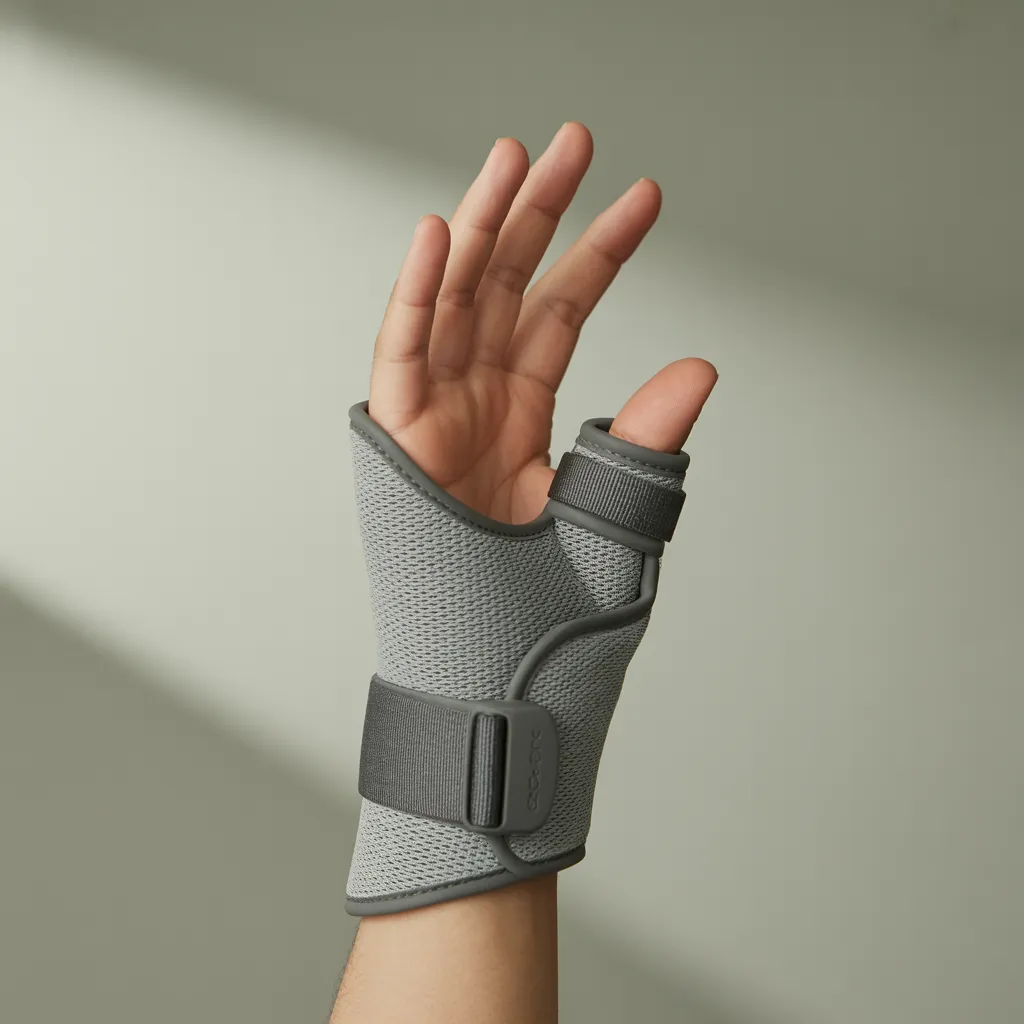
Selecting the most suitable orthopaedic products for thumb support can greatly impact recovery and functionality after an injury. Among the most important products are thumb splints, which restrict joint movement to minimize pain and protect against further harm. These splints often feature adjustable straps for a customized fit, enhancing comfort documentation during the healing process.
A further key option is the thumb brace, built to deliver support while enabling a certain range of motion. This can be especially helpful for those looking to keep up with their routine activities. Moreover, gel cushions can provide additional cushioning and protection, decreasing the strain on affected areas.
Heat and cold therapy wraps are also valuable, as they are effective at relieving swelling and improving circulation. Ultimately, kinesiology tape is a popular choice for supporting the thumb while still permitting mobility. Selecting the appropriate combination of these products can play a major role in achieving a fast and thorough recovery from thumb injuries.
How to Prevent Future Thumb Injuries
Even though thumb injuries can arise suddenly, applying preventive strategies can significantly lower the risk. First, people should perform appropriate stretching exercises before participating in activities that stress the thumb, such as sports or manual labor. Wearing protective gear, including thumb guards or braces, can offer extra cushioning and stability during high-risk activities.
Additionally, maintaining good ergonomics while working with tools or devices is important. This encompasses making use of adaptive devices intended to lessen pressure on the thumb. Scheduled breaks during repetitious activities can additionally assist in reducing pressure on the thumb joints.
Instruction on appropriate methods for handling and picking up items can further prevent injuries. Lastly, building up the adjacent muscles through specific strengthening routines can enhance overall thumb stability. By following these methods, individuals can greatly lower the likelihood of future thumb injuries, promoting long-term joint health and functionality.
Common Questions and Answers
What Causes Thumb Injuries Most Frequently?
Injuries to the thumb are mainly caused by falls, repetitive strain, machinery-related accidents, or sports injuries. Such causes frequently result in fractures, sprains, or tendon injuries, significantly impairing thumb function and general hand movement.
How Much Time Does It Usually Take to Recover from a Thumb Injury?
Recuperation from a thumb injury generally takes anywhere from a few weeks to several months, depending on the severity of the injury and the individual's overall health. Rehabilitation is a critical component in regaining function and strength.
Do Thumb Injuries Occur More Frequently in Specific Sports?
Injuries to the thumb are notably more frequent in high-impact sports like hockey, football, and basketball, where the likelihood of falls, collisions, or impacts is significantly higher. Furthermore, athletic activities that involve gripping and throwing can also play a role in causing such injuries.
Are Thumb Injuries Capable of Causing Long-Term Complications?
Thumb-related injuries may result in chronic complications, such as persistent pain, diminished mobility, and joint instability. Proper diagnosis and treatment are essential to mitigate these risks and guarantee the best recovery for affected individuals.
When Should I See a Doctor for a Thumb Injury?
Medical attention should be sought for a thumb injury if there is severe pain, swelling, inability to move the thumb, visible deformity, or signs of infection. Early medical evaluation can reduce the risk of complications and promote effective healing.