Helpful Tips to Paternity Test Kit
Is a Home Paternity Test Suitable for You? Benefits and Drawbacks
The choice to utilize a home paternity test is complex. It offers convenience and privacy, appealing to those seeking quick answers. However, the potential for errors and psychological impacts can make things more difficult. Additionally, these tests lack legal recognition, raising questions about their reliability. Recognizing these elements is critically important. What might be the best course of action for individuals facing such dilemmas?
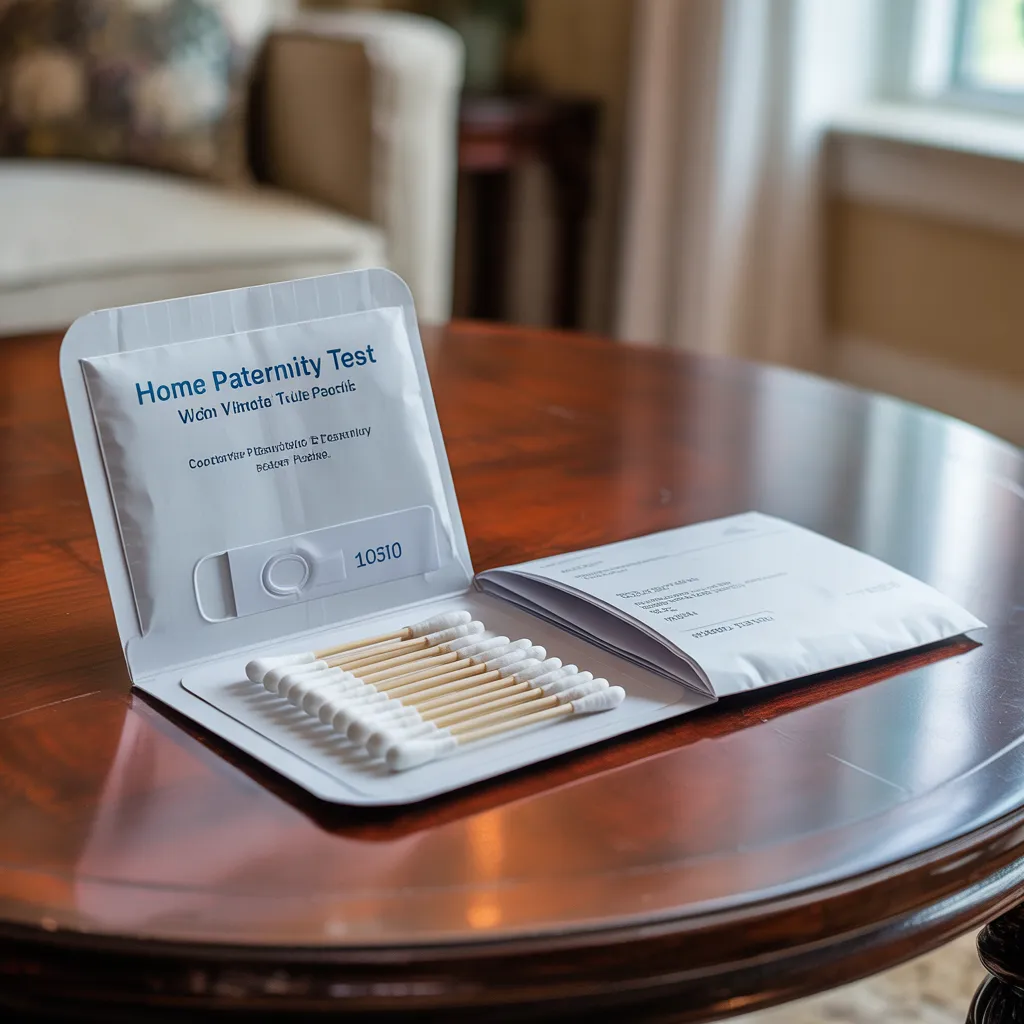
How At-Home Paternity Tests Operate
Home paternity testing simplifies the method of identifying biological relationships through a simple process. Typically, these tests involve obtaining DNA material from the individuals involved, typically using buccal swabs. Users follow the provided instructions to confirm accurate specimen collection and management. When the specimens have been obtained, they are sent to a designated laboratory for copyrightination.
At the testing facility, DNA is isolated and analyzed to assess genetic similarities. The testing process utilizes cutting-edge methods to identify markers that indicate a biological relationship. Outcomes are generally provided within a couple of days, bringing resolution to individuals questioning biological ties.
Whereas home paternity tests deliver ease of use and privacy, it is essential for people to understand that these tests are designed for informational use and may not hold legal standing. People seeking official results for legal purposes may need to pursue accredited testing through certified facilities.
The Benefits of Home Paternity Testing
What makes a home-based paternity test? Many individuals seek the material ease and discretion that these tests present. Home paternity testing supports discrete specimen collection, generally including basic cheek swabs, which are able to be conducted without the need for a medical professional. This level of accessibility makes it easier for people to get findings at a comfortable pace and in a familiar environment.
Additionally, home tests are often less expensive than laboratory tests, making them a compelling option for those looking to save money. The response time for results tends to be speedier, typically yielding answers within a matter of days.
Moreover, these tests help reduce personal uncertainty by offering clear insight about paternity, which can be vital for legal matters and personal relationships. All in all, at-home paternity tests offer a viable option for individuals in search of answers without the hassle of formal testing environments.
The Pitfalls of Home-Based Paternity Testing
Although home paternity testing offers considerable convenience, potential risks should not be overlooked. One major issue relates to the precision of the findings. At-home tests frequently fall short of the stringent quality benchmarks upheld by certified laboratories, leading to false positives or negatives. Furthermore, incorrect sample gathering can undermine the accuracy of the findings, as contamination or inadequate handling might skew findings.
Another concern relates to privacy and data security. Numerous home testing kits ask users to provide personal details, which may be susceptible to breaches or unauthorized use. Moreover, users may experience unanticipated emotional impacts, given that results have the potential to cause family tension or psychological distress.
Finally, the legal considerations of home testing should be taken into account. Data from these tests are frequently not recognized in legal proceedings, diminishing their utility in legal situations. Overall, while home paternity testing presents ease of access, the accompanying concerns deserve thoughtful evaluation.
Emotional and Legal Considerations of Paternity Testing
Understanding the emotional and legal aspects of a paternity test is important for people considering a home testing kit. The emotional fallout from discovering unanticipated findings can be profound, impacting connections among parents, children, and extended family members. Individuals must prepare for likely sentiments including confusion, anxiety, or distress that might arise from the results of the test.
In legal terms, the consequences can be considerable. The results of a home paternity test may not be admissible in court, which could complicate custody or child support proceedings. As a result, individuals thinking about these tests should seek legal counsel to fully understand their rights and options. Moreover, establishing paternity can lead to obligations regarding child support and inheritance, adding another layer of complexity. Ultimately, carefully weighing both the emotional and legal factors is essential to effectively navigating the potential outcomes of paternity testing.
Is a Home Paternity Test the Right Choice for You?
Evaluating whether a home paternity test is the right choice necessitates a thorough assessment of multiple considerations. Individuals contemplating this option should evaluate their motivations, as the emotional impact can be considerable. Home testing provides both convenience and discretion, but it does not carry the legal validity of professional lab tests, which are frequently necessary in custody or child support proceedings.
In addition, precision is a key factor to consider; while most home testing options are dependable, discrepancies can occur. Users should also evaluate the potential impact on family dynamics, as findings can produce unforeseen outcomes. Furthermore, the affordability of home tests ought to be considered against the possible requirement for subsequent legal verification.
Ultimately, a thorough assessment of personal circumstances, emotional readiness, and long-term implications is necessary. Speaking with a specialist may provide further clarity, helping individuals make an informed decision about whether a at-home paternity test suits their particular needs.
Questions We Often Receive
How Do Home Paternity Tests Compare in Accuracy to Lab Tests?
Residential paternity tests typically offer accuracy levels above 95%, similar to professional lab testing. Nevertheless, elements such as specimen quality and testing methods can influence the outcome. When seeking reliable conclusions, certified lab analysis remains the gold standard.
How Trustworthy Is the Privacy of Home Paternity Test Results?
Faith in the privacy of at-home paternity test results varies by organization. Reputable providers apply robust confidentiality safeguards, but consumers should review guidelines and client testimonials to confirm private data continues to be protected throughout the process.
What Is the Price Range for Home Paternity Tests?
Home paternity testing kits generally cost from $100 to $500, based on the testing provider and the level of complexity involved. Extra charges may apply for expedited results or specialized testing services, affecting the total cost.
How Much Time Does It Take to Receive Results From a Home Test?
Results from a home paternity test generally take anywhere from three to seven days. Certain laboratories can offer faster processing options, delivering results in as little as one to two days, subject to the lab's processing capabilities.
Are At-Home Paternity Tests Permitted in All States?
At-home paternity tests are typically legal across all states; however, specific regulations and guidelines may vary. It is important for individuals to review local laws and ensure adherence to any required legal procedures before moving forward.