Explore breast augmentation cost for planning your cosmetic surgery investment
Determining Quality Breast Implant Services: What to Consider and Topics to Ask
When evaluating breast augmentation, identifying the right surgeon is vital. A board-certified surgeon with a solid track record can make a substantial difference. Patients should also assess implant options and recognize the implications of each option. Considerations regarding healing, hazards, and facility standards are important. As the procedure unfolds, recognizing these factors will inform decision-making. But what particular qualities and inquiries should one highlight to assure a favorable outcome?
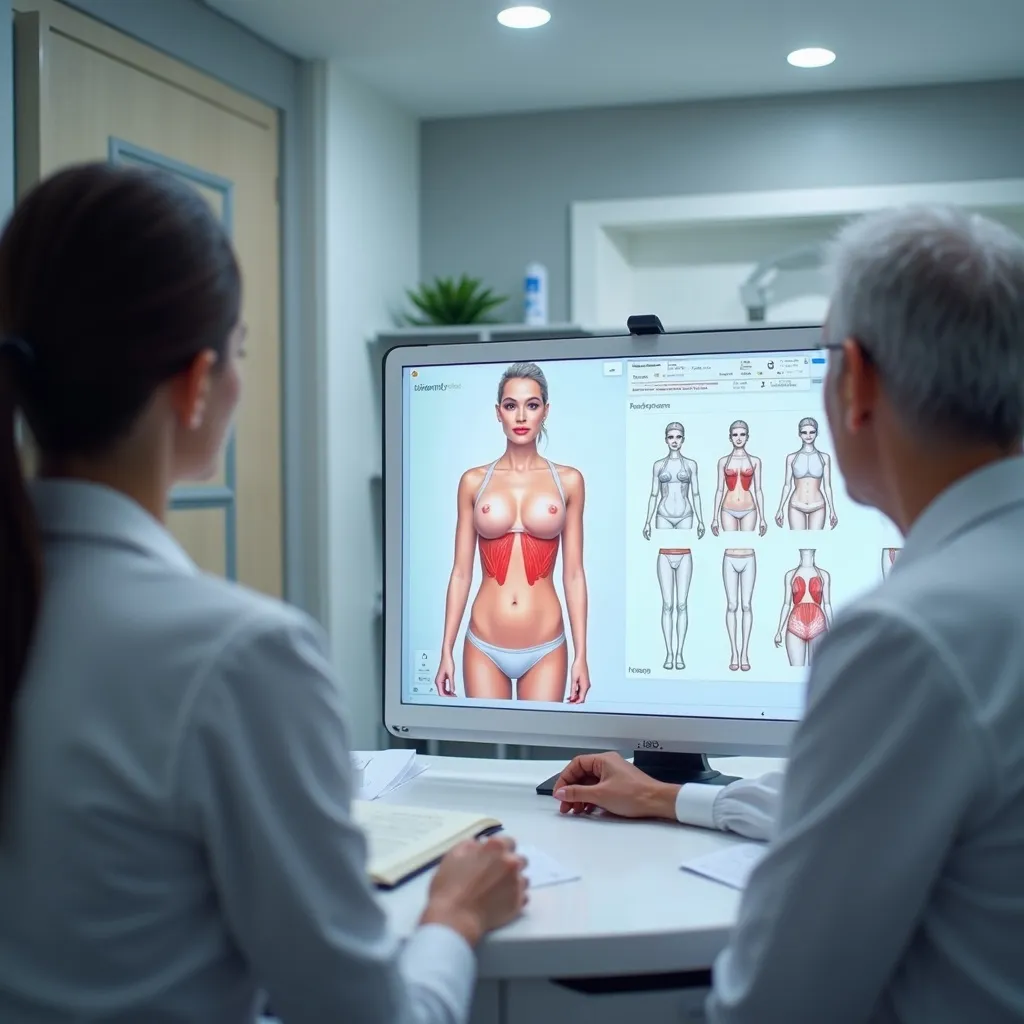
Essential Requirements for Your Medical Professional
When assessing breast augmentation, the surgeon's credentials play a crucial role in guaranteeing safety and achieving desired results. It is important to confirm that the surgeon is board-certified in plastic surgery, as this indicates a thorough training process and commitment to elevated quality benchmarks. Additionally, experience in performing breast augmentation procedures specifically is essential; a surgeon with an strong portfolio of successful surgeries will probably have refined their abilities effectively.
Furthermore, analyzing the surgeon's hospital affiliations can reveal the caliber of service rendered, as licensed facilities enforce demanding safety protocols. Patient accounts and evaluations can moreover highlight a physician's credibility and bedside manner. In the end, effective communication during meetings is crucial; a skilled practitioner should be prepared to handle issues, furnish comprehensive information, and outline attainable targets. All together, these qualities establish a robust foundation for reaching an educated decision about breast augmentation.
Selecting the Ideal Breast Implants for Your Needs
When selecting breast implants, individuals need to evaluate the many types obtainable on the market. Knowing the distinctions in form and dimensions
A Complete Guide to Prosthetic Options
Choosing the correct breast implants is an essential step to achieving desired aesthetic results. There are essentially two kinds of breast implants: saline and silicone. Saline implants have a silicone outer layer filled with sterile saltwater. They can be adjusted for volume during surgery and often need smaller incisions. Silicone implants, meanwhile, are pre-filled with a cohesive gel that duplicates the feel of authentic breast tissue. This choice generally provides a more realistic look but cannot be modified after surgery. In addition, there are variations like textured and smooth surfaces, which can change both aesthetics and the risk of complications. Knowing these differences is vital for people to make well-informed decisions about their breast augmentation journey.
Proportions and Configuration Factors
Grasping the types of breast implants creates the foundation for making knowledgeable choices about size and shape. Patients should reflect on their body proportions, lifestyle, and personal preferences when picking implants. Breast implants come in multiple sizes, typically measured in cubic centimeters (cc), and shapes, including round and teardrop. Round implants frequently deliver a fuller upper pole, while teardrop implants mirror natural breast contours. In addition, start here projection levels—low, moderate, or high—can determine the final appearance. Consulting a qualified surgeon is vital, as they can give guidance based on individual anatomy and desired outcomes. Ultimately, the purpose is to achieve a balanced look that enhances self-confidence and aligns with personal aesthetic preferences.
Traditional Methods for Breast Enhancement
Breast augmentation uses various techniques to augment breast dimensions and contour, catering to individual inclinations and anatomical considerations. The most common methods include the use of saline or silicone implants. Silicone implants are favored for their natural appearance and feel, while saline implants furnish a more flexible option during surgery. Another technique includes fat transfer, where fat is gathered from other body areas and placed into the breasts, providing a more understated enhancement without foreign substances.
Surgeons may place implants either above or below the muscle, depending on the individual's physique and preferred result. Additionally, surgical incision methods differ, with options such as inframammary, periareolar, or transaxillary incisions, each offering distinct pros and cons. Ultimately, the choice of technique should match the patient's goals and the surgeon's expertise, ensuring a personalized approach to breast augmentation.
Evaluating Property Safety and Hygiene
When examining breast augmentation, the sanitary conditions of the facility are crucial in guaranteeing a successful outcome. A reputable clinic should adhere to strict health regulations, including routine disinfection of surgical areas and equipment. Assessing the facility for overall cleanliness can give perspective into its procedural quality.
Recognition by recognized medical boards functions as a further vital indicator of safety. Establishments that fulfill these requirements are ordinarily bound by periodic inspections, maintaining compliance with safety protocols.
Additionally, it is important to examine the staff's commitment to cleanliness protocols, such as the use of gloves and sterile instruments. The configuration of the venue should also ensure patient safety, with clearly indicated emergency exits and efficiently organized recovery areas. Finally, a clean and safe environment generates confidence in the surgical process and increases the likelihood of a positive experience.

Key Inquiries to Pose in Your Meeting?
What essential questions should one ask during a consultation for breast augmentation? Prospective patients should start by asking about the surgeon's qualifications and experience specific to breast procedures. Comprehending the types of implants available and their differences is important, as well as the recommended surgical techniques for their individual objectives. Patients should ask about possible risks and complications connected with the surgery, including recovery time and after-surgery care. Discussing the expected outcomes and how long the results typically last is also significant. In addition, it is important to ask about the facility's accreditation and safety protocols. Prospective patients might also seek information on costs, financing options, and whether subsequent appointments are included in the overall package. Finally, understanding the surgeon's revision policy can offer peace of mind regarding future adjustments. These questions establish the groundwork for informed decision-making and a positive surgical experience.
Analyzing Client Testimonials and Before-and-After Photographs
What strategies can prospective patients use to effectively assess the quality of breast augmentation treatments? Evaluating patient testimonials and before-and-after photos is important in this process. Testimonials give perspective into the stories of previous patients, showcasing aspects such as surgical outcomes, recovery periods, and overall happiness. Prospective patients should search for detailed accounts that discuss both positive and negative outcomes, as these offer a more balanced outlook.
Before-and-after photos are just as important, serving as visual evidence of a surgeon’s skill and cosmetic outcomes. Patients should seek images that depict various body types and implant sizes to gauge the potential results for their own bodies. It is essential to ensure that these photos are authentic and not overly edited. By carefully reviewing testimonials and before-and-after images, patients can make informed decisions about the standard of breast augmentation services offered by different providers.
Regularly Asked Questions
How long Is the healing timeline After Breast Augmentation Surgery?
The healing timeline after breast augmentation surgery typically takes six to eight weeks. During this period, patients may experience swelling and discomfort, gradually returning to normal activities as healing advances and physical limitations are lifted.
What Dangers and Problems Could Arise from the Procedure?
Potential hazards and adverse effects of breast augmentation include infection, scarring, implant rupture, changes in nipple sensation, and capsular contracture. Understanding these risks is crucial for well-informed choices prior to undergoing the procedure.
Will My Insurance Handle Breast Augmentation Expenses?
Insurance usually fails to pay for breast augmentation costs unless judged medically necessary, such as post-mastectomy reconstruction. Patients should contact their insurance plan to grasp specific coverage details and any potential out-of-pocket expenses involved.
Can I Nurse After Having Breast Augmentation?
Following breast augmentation, many women are still capable of nursing without issue. However, individual outcomes may differ based on the method used and personal anatomy. Speaking with a qualified surgeon is vital for customized guidance about breastfeeding after the procedure.
How Frequently Should I Schedule Follow-Up Appointments Post-Surgery?
Typically, subsequent appointments after surgery are scheduled at one week, one month, three months, and then annually. These visits ensure proper healing, check implant condition, and handle any concerns or complications that may arise.