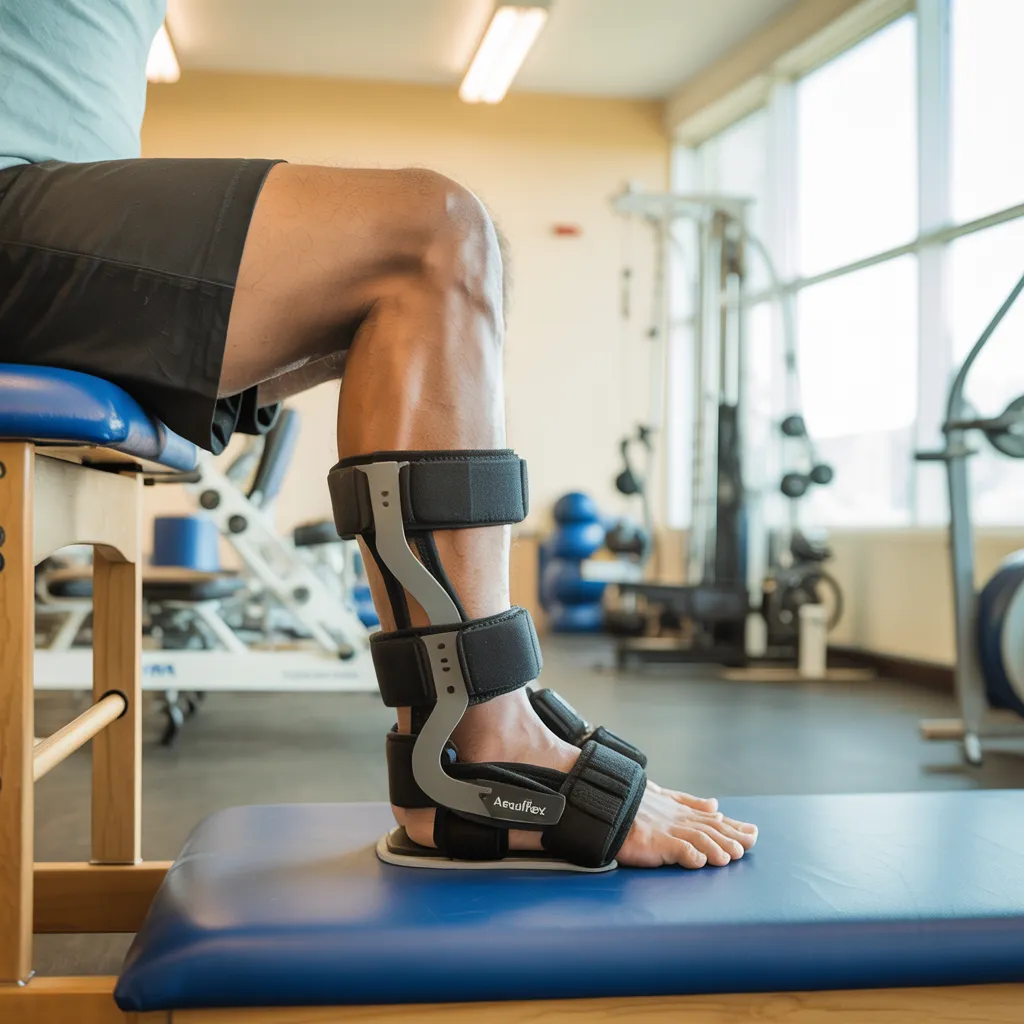
Doctor-Approved Aequi Flex Ankle Brace
DIY Ankle Support: When to Consider Professional Orthopaedic Options
Homemade ankle support may be an effective option for mild ankle injuries. Nevertheless, not all ankle issues are suited for home-based treatments. Some injuries may require expert medical attention. Recognizing when to seek specialized care is essential. Factors such as swelling, pain levels, and range of motion are key factors in reaching this conclusion. Recognizing these elements can help people find the most effective path for recovery. What symptoms should a person consider before consulting an expert?
What Are the Most Common Ankle Injuries and How Are They Treated?
Ankle injuries are some of the most widespread musculoskeletal problems, commonly arising from sports-related events or routine mishaps. Frequent injuries encompass sprains, fractures, and tendonitis. Ankle sprains develop when ligaments are overstretched or ruptured, commonly triggered by unnatural landings or accidental slips. Treatment usually involves the RICE method: rest, ice, compression, and elevation, together with physical therapy to aid in recovery.
Fractures, which involve breaks in the ankle bones, can result from severe trauma. These injuries frequently necessitate immobilization using a cast or a brace, and surgical intervention may be required in certain cases to achieve proper alignment. Tendonitis, which involves inflammation of the tendons, is frequently seen in athletes. Management typically involves rest, ice application, and anti-inflammatory medications, along with rehabilitation exercises aimed at restoring strength and flexibility. Familiarity with these frequent injuries and their treatment options can facilitate effective management and recovery, lowering the chance of long-term complications.
Advantages and Disadvantages of DIY Ankle Support
When examining the reliance on DIY ankle support, many commonly assess various benefits and drawbacks. A notable benefit is the cost savings; self-made options tend to cost significantly less than commercial products. In addition, DIY solutions provide personalization, allowing people to adjust the support according to their unique requirements.
Nonetheless, there are important limitations. Lack of professional guidance may lead to insufficient support or incorrect application, potentially aggravating physical injuries. Self-made alternatives may not offer the same degree of stability and protection as professionally manufactured products, which are often based on thorough research and clinical testing. Additionally, people may fail to identify underlying issues that need professional medical care, contributing to prolonged recovery times. All things considered, while DIY ankle support can be helpful in some instances, close examination of its shortcomings is essential for optimal injury management and recuperation.
How Serious Is Your Ankle Injury? Key Signs to Watch For
How can one determine the severity of an ankle injury? The assessment begins with assessing the level of pain. If the pain is significant, it may suggest a more serious injury, such as a break or serious sprain. Bruising and swelling are also important signs; notable discoloration or swelling can indicate underlying damage to ligaments or bones.
Range of motion should be examined as well; trouble supporting weight or rotating the ankle could necessitate closer evaluation. A noticeable irregularity, including an irregular contour or placement, frequently indicates a severe injury, necessitating prompt medical care.
Moreover, tingling or numbness in the toes or foot could indicate nerve involvement, which raises concern for potential complications. These symptoms should be closely monitored, as swift detection of a serious injury can enable more effective treatment and a smoother recovery.
Signs That It Is Time to See an Orthopedic Specialist
Understanding when to consult the skills of an orthopedic expert is crucial for effective ankle recovery. Ongoing pain, a restricted range of motion, and significant swelling or bruising are primary indicators that call for professional consultation. Early consultation can reduce the risk of further complications and secure effective treatment.
Chronic Pain Symptoms
Ongoing pain in the ankle can reveal underlying conditions that call for professional attention. Those dealing with prolonged discomfort, despite rest and self-care measures, may find value in seeing an orthopedic specialist. This pain may arise from numerous origins, including tendon trauma, torn ligaments, or inflamed joints. If the pain is associated with bruising, swelling, or trouble supporting weight, these symptoms further indicate the need for expert evaluation. Prompt treatment can avoid further complications and facilitate appropriate treatment solutions. Furthermore, ongoing discomfort may disrupt daily activities and overall quality of life, making it essential to address these issues promptly. Obtaining expert guidance provides an accurate diagnosis and suitable treatment tailored to the individual's personal health needs.
Restricted Range of Motion
A restricted level of flexibility in the ankle can significantly affect daily activities and physical capability. Individuals may find it difficult to perform basic tasks such as walking, climbing stairs, or participating in sports. This condition can be caused by various causes, including tendonitis, prior injuries, or arthritis. If an individual experiences a notable reduction in range of motion or struggles to move the ankle in certain directions, it may be advisable to seek an orthopedic specialist. Early intervention can avoid additional issues and encourage proper healing. An expert can provide a thorough evaluation and recommend appropriate treatment options, supporting recovery of regular movement and preventing long-term disability. Identifying these symptoms is vital for sustaining an active way of life.
Swelling and Bruising Problems
While minor swelling or bruising may resolve with rest and ice, patients should remain vigilant, as these signs could suggest deeper underlying problems. Continued or escalating swelling might suggest a fracture, torn ligament, or other substantial injury. Should bruising seem widespread, expand quickly, or come with intense pain, seeking prompt medical care is recommended. Furthermore, patients should seek guidance from an orthopedic specialist if they have trouble bearing weight, notice a sense of instability, or find that swelling persists beyond a few days of home care. Early intervention can prevent complications and promote a more effective recovery process, ensuring that underlying problems are addressed before they escalate into chronic issues. Consulting a medical professional is key to achieving optimal recovery.
DIY Versus Professional Ankle Support Solutions
Comparing DIY ankle support methods with professional solutions reveals differences in effectiveness and cost considerations. While DIY methods may provide temporary relief, recognizing signs that indicate a need for professional intervention is essential. Assessing these considerations can help individuals determine the most suitable support option for their specific situation.
Effectiveness of DIY Support
Examining the efficiency of homemade ankle support in comparison to professional solutions uncovers notable distinctions in quality and dependability. DIY bracing commonly employs makeshift materials and approaches, which can prove inadequate in providing proper stabilization or compression. By comparison, professional solutions are engineered with precise anatomical factors in mind, guaranteeing optimal support for a range of conditions, including sprains and chronic instability.
In addition, professionally designed solutions are subjected to extensive testing for both durability and performance, offering users peace of mind and reassurance. While DIY methods might offer temporary relief, they often lack the tailored fit and support necessary for recovery. Ultimately, individuals seeking effective ankle support should weigh the potential risks of DIY approaches against the benefits of investing in professional solutions.
Indicators That You Need Assistance
How does one identify when to pursue medical attention for ankle-related concerns? A number of indicators suggest that home remedies may be insufficient. Ongoing pain, inflammation, or weakness in the ankle following home treatment efforts indicates a more serious underlying problem. If movement is significantly restricted, or if the ankle feels increasingly weak, professional evaluation becomes essential. Moreover, noticeable structural abnormalities or difficulty bearing any weight necessitate urgent professional evaluation. When symptoms do not improve within a few days, seeking advice from an orthopaedic specialist is prudent. Early intervention can prevent further complications and enable a more successful healing process. Understanding these signals can lead individuals to proper medical support, ensuring that their recovery is both safe and efficient.
Cost Considerations for Care
Recognizing when to seek professional help for ankle issues frequently prompts people to consider their choices between self-care remedies and expert treatment. DIY ankle support, often involving braces or wraps, typically incurs minimal costs, rendering it an appealing choice for numerous individuals. Nevertheless, such approaches may fail to resolve deeper conditions adequately. In contrast, professional orthopaedic care can be considerably more expensive, covering specialist appointments, imaging assessments, and personalized treatment strategies. Although the upfront cost is greater, professional treatment can help avoid future complications and further costs arising from unaddressed injuries. In the end, the choice depends on personal factors, encompassing the seriousness of the condition, monetary constraints, and the importance assigned to detailed treatment compared to prompt, economical remedies.
Essential Practices for Ankle Injury Rehabilitation
Healing from an ankle injury demands a careful approach to ensure ideal healing and regain mobility. At first, the RICE method—rest, icing, compression, and elevation—should be applied to reduce swelling and pain. A gradual return to movement is essential; light range-of-motion routines can improve flexibility while preventing stiffness.
Following the acute stage, muscle-building exercises targeting the surrounding muscles can assist in recovery, improving stability and minimizing the likelihood of future injuries. Stability training, including standing on one leg, additionally aids rehabilitation.
It is essential to pay attention to the body, refraining from activities that trigger discomfort. Staying well-hydrated and maintaining good nutrition are equally important for healing.
If progress stalls or pain persists, consulting a healthcare professional is advisable. By applying these established protocols, patients can maximize their rehabilitation outcomes and support a successful return to everyday activities.
Common Questions and Answers
Is It Possible to Use Ice for Ankle Pain Relief at Home?
Yes, ice can be used at home for ankle pain relief. Applying ice reduces swelling and numbs pain. It is generally recommended for acute injuries, with sessions lasting 15-20 minutes every few start here hours for ideal results.
What Materials Are Best for DIY Ankle Support?
Elastic bandages, neoprene, and foam padding are ideal materials for DIY ankle support. Such materials deliver compression, warmth, and padding, enhancing stability while allowing for flexibility during movement, rendering them appropriate for temporary comfort and stabilization.
For How Long Should a Homemade Ankle Brace Be Worn
A makeshift ankle brace should typically be worn between 24 and 48 hours after sustaining an injury, or until swelling subsides. However, individual recovery times may vary, and it is recommended to seek guidance from a healthcare professional.
Can I Do Exercises to Strengthen My Ankle at Home?
Absolutely, there are multiple ankle-strengthening exercises you can do at home. These include resistance band exercises, ankle circles, heel raises, and toe taps. With consistent practice, you can improve stability and reduce the likelihood of injury over time.
What Signs Indicate My DIY Support Isn't Working?
Signs that DIY support isn't effective involve chronic pain, swelling, joint instability, reduced mobility, or escalating symptoms. If these concerns do not improve with home-based care, professional orthopaedic consultation is strongly encouraged for accurate diagnosis and treatment.