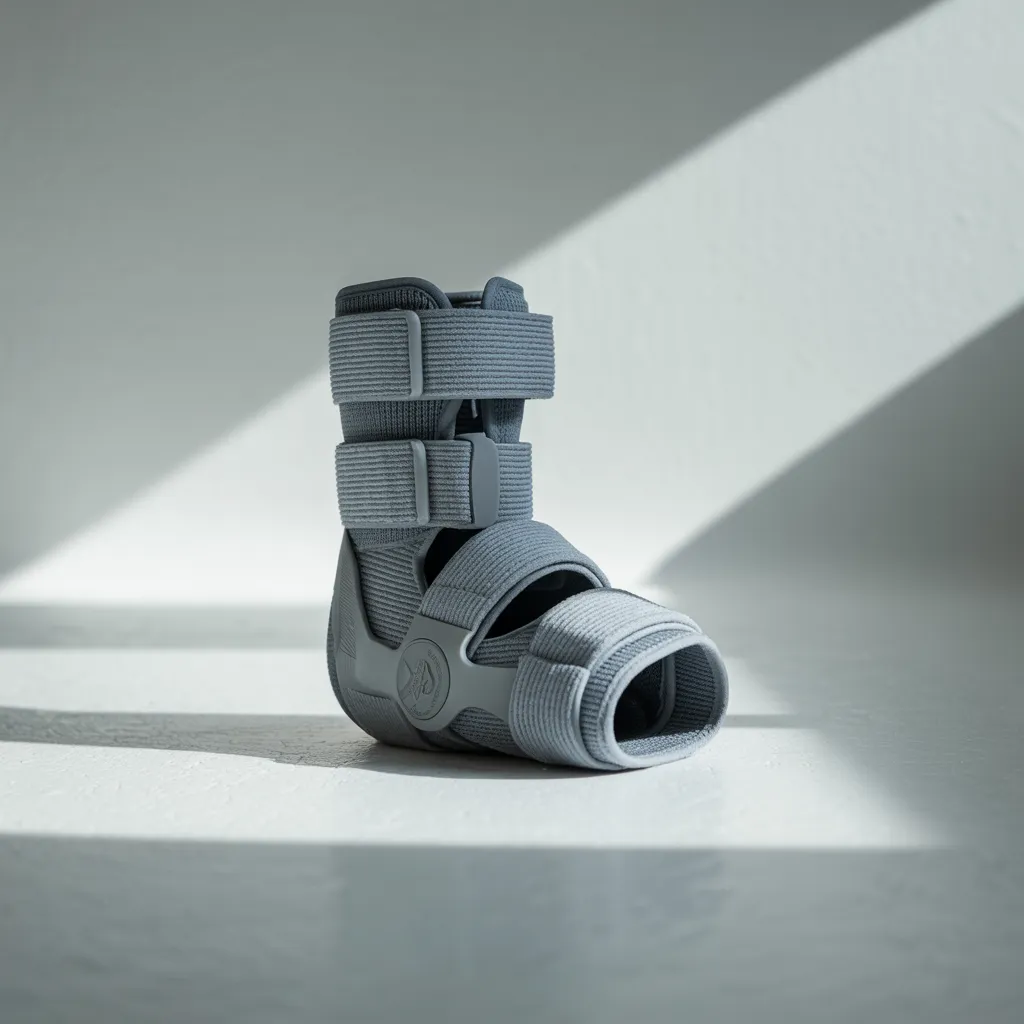
Aequi Flex Ankle Brace for Injury Recovery
DIY Ankle Support: When to Consider Professional Orthopaedic Options
At-home ankle support can serve as an effective option for small-scale injuries. That said, not all ankle concerns are ideal for home-based treatments. A number of injuries could necessitate professional intervention. Knowing when to pursue professional care is vitally important. Elements including mobility, pain severity, and inflammation are key factors in making this determination. Understanding these aspects can guide individuals toward an optimal recovery approach. What signs should one look for before seeking professional advice?
What Are the Most Common Ankle Injuries and How Are They Treated?
Ankle injuries are some of the most widespread musculoskeletal problems, frequently caused by athletic activities or daily accidents. Common injuries include sprains, fractures, and tendonitis. Ankle sprains develop when ligaments are overstretched or ruptured, typically caused by awkward landings or slips. Treatment typically incorporates the RICE method: rest, ice, compression, and elevation, together with physical therapy to aid in recovery.
Ankle fractures, which occur when the bones sustain breaks, can be the result of significant trauma. These injuries frequently necessitate immobilization using a cast or a brace, and surgical intervention may be required in certain cases to achieve proper alignment. Tendonitis, defined by tendon inflammation, is a condition that commonly affects athletes. Care usually consists of rest, icing, and anti-inflammatory medications, supplemented by rehabilitation exercises to rebuild strength and flexibility. Familiarity with these frequent injuries and their treatment options can facilitate effective management and recovery, lowering the chance of long-term complications.
Advantages and Disadvantages of DIY Ankle Support
When considering the reliance on DIY ankle support, people frequently consider several advantages and disadvantages. One significant advantage is cost-effectiveness; DIY approaches are often much cheaper than store-bought alternatives. In addition, DIY solutions provide customization, permitting users to modify the solution to match their personal needs and preferences.
Despite this, there are significant drawbacks. A lack of expert direction may cause poor support or improper usage, potentially exacerbating existing injuries. Self-made alternatives may not offer the same standard of support and protection as expertly crafted products, which are generally grounded in extensive research and testing. Additionally, users could miss deeper issues that require medical attention, contributing to delayed recovery. On balance, while homemade ankle support can be effective in some instances, close examination of its shortcomings is vital for optimal injury management and recuperation.
Is Your Ankle Injury Serious? Here's What to Look For
How can one determine the extent of an ankle injury? The assessment begins with assessing the pain level. If the pain is intense, it may point to a more serious injury, such as a break or serious sprain. Swelling and bruising are also key indicators; considerable swelling or bruising can signal underlying damage to ligaments or bones.
Range of motion ought to be evaluated too; difficulty bearing weight or moving the ankle may warrant further investigation. A visible deformity, including an irregular contour or placement, often signifies a serious injury, requiring immediate medical attention.
Furthermore, a tingling or numb sensation in the foot or toes can be a sign of nerve involvement, which raises concern for potential complications. Patients should carefully observe these symptoms, as early recognition of a significant injury can result in more effective treatment and a better recovery.
How to Know When to Consult an Orthopedic Specialist
Understanding when to pursue the skills of an orthopedic expert is essential for proper ankle healing. Persistent pain, a limited range of motion, and notable swelling or bruising are major warning signs that necessitate professional examination. Seeking timely care can reduce the risk of further complications and guarantee proper additional info treatment.
Lasting Pain Symptoms
Chronic pain in the ankle can reveal underlying conditions that require professional attention. Patients enduring prolonged discomfort, despite personal care and rest, may find value in speaking with an orthopedic specialist. This pain may originate from multiple causes, including tendon damage, torn ligaments, or articular inflammation. If the pain is paired with swelling, discoloration, or challenges bearing weight, these symptoms strongly signal the need for specialized examination. Early intervention can stop conditions from deteriorating and facilitate appropriate treatment solutions. Furthermore, persistent pain may impede everyday activities and general well-being, making it crucial to tackle these concerns without delay. Obtaining expert guidance provides an thorough assessment and effective management customized for the patient's unique requirements.
Reduced Range of Motion
A limited range of motion in the ankle can considerably impact routine functions and overall mobility. Individuals may find it difficult to carry out fundamental activities such as climbing stairs, walking, or engaging in athletic activities. This limitation can be caused by a number of sources, including arthritis, tendonitis, or previous injuries. If an individual experiences a considerable decline in flexibility or struggles to move the ankle in certain directions, it may be time to consult an orthopedic specialist. Timely care can prevent further complications and encourage proper healing. A specialist can provide a thorough evaluation and identify effective treatment approaches, ensuring a return to normal function and reducing the risk of permanent disability. Acknowledging these indicators is critical for preserving an active and healthy routine.
Swelling or Bruising Issues
Even though minor swelling or bruising can improve with rest and ice, individuals should be cautious, as such symptoms may point to more significant underlying conditions. Continued or escalating swelling might suggest a fracture, torn ligament, or other substantial injury. When bruising looks severe, grows rapidly, or occurs alongside significant pain, immediate medical evaluation is strongly advised. Furthermore, patients should seek guidance from an orthopedic specialist if they have trouble bearing weight, notice a sense of instability, or find that swelling persists beyond a few days of home care. Early intervention can prevent complications and promote a more effective recovery process, ensuring that underlying problems are addressed before they escalate into chronic issues. Obtaining expert guidance is critical for the best possible healing outcome.
DIY vs. Professional Ankle Support Solutions
Comparing DIY ankle support methods with professional solutions reveals differences in effectiveness and cost considerations. Although DIY approaches can offer short-term relief, identifying indicators that suggest the need for professional care remains crucial. Assessing these considerations can help individuals determine the most suitable support option for their specific situation.
Efficacy of DIY Support
Examining the efficiency of homemade ankle support in comparison to professional solutions reveals significant differences in quality and reliability. DIY bracing commonly employs makeshift materials and approaches, that may fail to deliver sufficient stabilization or compression. On the other hand, professional alternatives are developed with targeted anatomical principles, ensuring maximum support for various conditions, encompassing sprains and long-term instability issues.
Moreover, professional solutions undergo rigorous testing for durability and performance, giving users a greater sense of confidence and security. While DIY methods might offer temporary relief, they tend to be lacking in the personalized fit and targeted support essential for effective recovery. In the end, those looking for reliable ankle support should carefully consider the potential drawbacks of DIY methods in comparison to the advantages of choosing professional solutions.
Warning Signs You Need Support
How can someone recognize when to pursue medical attention for ankle care? A number of indicators suggest that home remedies may be insufficient. Persistent pain, swelling, or instability in the ankle following home treatment efforts indicates a more serious underlying problem. If movement is significantly restricted, or if the ankle feels increasingly weak, a medical consultation is strongly advised. Furthermore, obvious physical deformities or difficulty bearing any weight require prompt medical care. When symptoms do not improve within a few days, seeking advice from an orthopaedic specialist is prudent. Prompt care can reduce the risk of worsening conditions and enable a more successful healing process. Recognizing these signs can guide individuals toward appropriate care, making certain that healing progresses in a safe and timely manner.
Cost Considerations for Care
Recognizing when to seek professional help for ankle issues often leads individuals to weigh their options between DIY solutions and professional care. At-home ankle support, frequently using braces or wrapping techniques, generally carries minimal financial burden, making it an attractive option for many. Nevertheless, such approaches may fail to resolve deeper conditions adequately. On the other hand, expert orthopaedic treatment tends to be substantially costlier, encompassing consultations, diagnostic imaging, and tailored treatment plans. Even though the early financial commitment is more substantial, expert care may reduce the risk of long-term issues and added expenses from neglected conditions. At the core, the determination relies on one's specific situation, encompassing the seriousness of the condition, monetary constraints, and the importance assigned to detailed treatment compared to prompt, economical remedies.
Essential Practices for Ankle Injury Rehabilitation
Recovering from an ankle injury demands a structured approach to guarantee ideal healing and regain mobility. In the beginning, the RICE method—rest, ice, compression, and elevation—should be utilized to reduce swelling and pain. The gradual restoration of movement is critical; light range-of-motion routines can enhance flexibility and reduce stiffness.
After the acute phase, muscle-building exercises targeting the supporting muscles can support recovery, boosting stability and minimizing the likelihood of future injuries. Equilibrium training, like one-legged standing exercises, additionally aids rehabilitation.
It is crucial to pay attention to the body, steering clear of movements that cause pain. Adequate hydration and nutrition also play significant roles in recovery.
If progress stalls or pain persists, consulting a healthcare professional is advisable. By adhering to these best practices, patients can maximize their rehabilitation outcomes and support a successful return to everyday activities.
Commonly Asked Questions
Can Ice Be Used for Ankle Pain Relief at Home?
Yes, ice can be used at home for ankle pain relief. Ice application works to minimize swelling and numb discomfort. It is generally recommended for acute injuries, with sessions lasting 15-20 minutes every few hours for ideal results.
What Materials Are Best for DIY Ankle Support?
Foam padding, neoprene, and elastic bandages serve as excellent materials for homemade ankle support. These provide compression, warmth, and cushioning, improving stability while maintaining flexibility during activity, making them suitable for temporary relief and support.
For How Long Should a Homemade Ankle Brace Be Worn
A DIY ankle brace should typically be worn for a period of 24 to 48 hours following an injury, or until swelling reduces. However, individual recovery times may vary, and consulting a healthcare professional for personalized advice is strongly encouraged.
Can I Do Exercises to Strengthen My Ankle at Home?
Absolutely, there are various exercises to strengthen the ankle at home. Such exercises include ankle circles, heel raises, toe taps, and resistance band exercises. Consistent practice can improve stability and reduce injury risk over time.
What Signs Indicate My DIY Support Isn't Working?
Indicators that self-managed support is ineffective encompass ongoing pain, inflammation, instability, restricted movement, or deteriorating symptoms. When these symptoms remain despite at-home management, it is recommended to seek expert orthopaedic guidance for comprehensive assessment and appropriate treatment.